How Does the GAA Club Championship Work? From County Finals to the All-Ireland

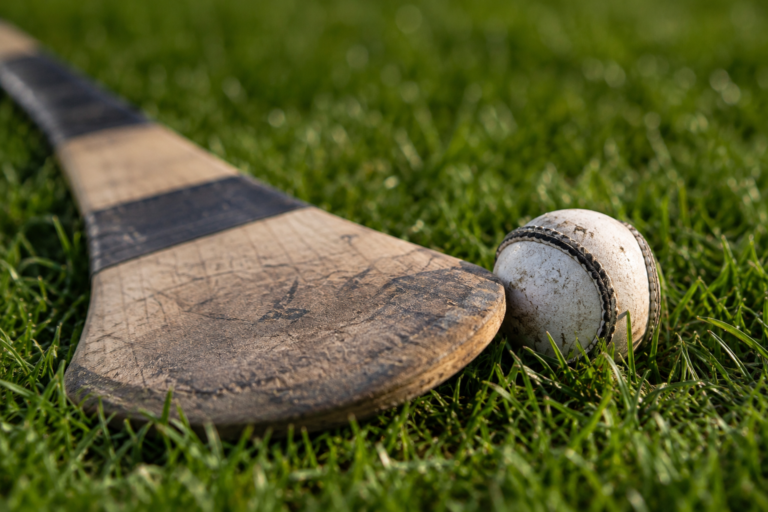
- GAA county champions can progress to their provincial club championship.
- Provincial champions advance to the All-Ireland Club Championship.
- The 2026/27 senior club finals take place in January.
Win your county. Conquer your province. Then chase an All-Ireland.
The route from a local GAA club championship to the biggest stage in the country is one of the more unusual journeys in Irish sport. In both Gaelic football and hurling, county championships produce their winners before those clubs move into provincial competition, with the best eventually progressing to the All-Ireland series.
For the teams that survive the journey, two of club GAA’s biggest prizes await: the Andy Merrigan Cup for the All-Ireland senior football champions and the Tommy Moore Cup for the All-Ireland senior hurling champions.
This weekend offers a perfect example. Eleven senior football county finals and five senior hurling finals are taking place across Ireland, according to the GAA, with clubs reaching the end of campaigns that have occupied much of the second half of the season.
For supporters accustomed to the inter-county game, however, the system can take some getting used to. So how does the GAA club championship actually work, and how does winning a county final potentially lead all the way to an All-Ireland title?
What Is the GAA Club Championship?
The first thing to understand is the difference between club and county.
In Gaelic football and hurling, the inter-county teams that dominate the GAA calendar during spring and summer represent counties such as Kerry, Dublin, Galway and Kilkenny. At club level, players instead represent clubs rooted in their local communities.
That means some of the biggest names in Gaelic games return to club competition after their inter-county seasons finish. Kerry footballer Paudie Clifford plays Gaelic football with Fossa, while Kilkenny hurler Adrian Mullen plays hurling with Ballyhale Shamrocks. Both were among the players involved in the launch of this season’s All-Ireland club championships.
The result is a competition structure that stretches from local communities to national championships in both sports.
But neither begins as one giant All-Ireland tournament.
How Do the County Championships Work?
The journey begins within each county.
Clubs compete in their own county championships across different grades, including senior, intermediate and junior competitions. The exact structure is not identical everywhere, and counties organise their championships according to their own competition formats.
For the purposes of following the national senior club championships, though, the important part is simple: win the relevant county championship and a club can become that county’s representative in provincial competition.
The same basic pathway exists in both football and hurling.
Take Sunday’s Cork Senior Hurling Championship final between Glen Rovers and St Finbarr‘s. The winner will not simply leave Páirc Uí Chaoimh as Cork hurling champion. Munster GAA’s current fixture list places the Cork winner into the Munster Senior Club Hurling Championship, where Inagh-Kilnamona of Clare await in the quarter-final on 1 November.
The county trophy, in other words, can be the end of one competition and the beginning of another.
What Happens After a Club Wins Its County?
The next stage is the provincial championship.
Ireland’s four provinces — Connacht, Leinster, Munster and Ulster — stage separate club championships involving their respective county representatives.
The format depends on the province, code and number of participating teams, so not every county champion starts at exactly the same stage.
Munster’s 2026 senior hurling championship provides a good example. The Cork and Clare representatives are scheduled to meet in a quarter-final, with the winner advancing to face Tipperary champions Thurles Sarsfields in the semi-final. Waterford’s representative Ballygunner enters on the other side of the draw at the semi-final stage.
The principle, however, remains straightforward. Keep winning and a club can become champion of its province as well as its county.
How Do Clubs Reach the All-Ireland Championship?
This is where the four provincial competitions converge.
Separate All-Ireland club championships are contested in football and hurling, but at senior level the basic route is the same: win the province and progress to the national semi-finals.
The champions of Connacht, Leinster, Munster and Ulster advance to those semi-finals, leaving four clubs competing for the national title in each sport.
For the 2026/27 senior football championship, the GAA has scheduled Connacht v Munster and Leinster v Ulster in the semi-finals on the weekend of 2-3 January 2027. The winners will then meet in the All-Ireland final later that month.
For the football champions, victory in the final brings the Andy Merrigan Cup. In hurling, the equivalent prize is the Tommy Moore Cup.
It means a club’s complete route can look something like this:
County Championship → Provincial Championship → All-Ireland Semi-Final → All-Ireland Final
There are differences lower down the grades. In the 2026/27 junior football championship, for example, the GAA schedule includes a play-off involving the Ulster and Britain winners for a place in the All-Ireland series.
But for the senior championships, winning one of the four provinces is the gateway to the national semi-finals.
When Are the All-Ireland Club Finals?
Unlike the senior inter-county championships, which reach their conclusion during the summer, the club season stretches across the winter.
County championships occupy much of the late summer and autumn before the provincial competitions take centre stage. Ulster, for example, has scheduled its 2026 club championships across October, November and December, with its senior football final due on the weekend of 5-6 December.
The All-Ireland series then takes over in January.
The GAA’s detailed master fixture schedule places the 2026/27 All-Ireland Senior Club Championship finals on the weekend of 16-17 January 2027, following the semi-finals earlier in the month.
Croke Park traditionally provides the setting for the senior finals. The previous senior football and hurling club deciders were staged there in January 2026, underlining just how far clubs can travel from the county championships where their campaigns began.
What Do the All-Ireland Club Champions Win?
Two famous trophies await the senior champions.
The winners of the All-Ireland Senior Club Football Championship receive the Andy Merrigan Cup, while the winners of the All-Ireland Senior Club Hurling Championship lift the Tommy Moore Cup.
Both trophies therefore represent the end of a journey that began months earlier at county level. A club must first emerge from its own county championship, survive the provincial series and then win two matches in the All-Ireland competition to claim the national title.
Is Club GAA Different From the Inter-County Game?
The sports are the same, but the identities involved are different.
A player can spend the summer representing their county before returning to their local club for the championship. That can put inter-county team-mates on opposite sides and, depending on the draw, eventually bring players from different counties together in provincial competition.
There is also a particularly local character to the club game. These are teams connected to towns, villages, parishes and neighbourhoods, often with generations of the same families involved as players, coaches, volunteers and supporters.
At the launch of the 2026/27 championships, the GAA highlighted the coaches, mentors and volunteers involved alongside the players themselves, describing the club championships as holding a unique place in Irish communities.
That community element remains even as the scale of the competition grows.
A county champion may begin the autumn playing familiar local opposition and finish it facing the best club from another county for a provincial title.
Why Does Winning a County Championship Matter So Much?
There is an obvious answer: becoming the best club in your county is a major achievement in its own right.
But the structure of the GAA club championship gives the victory another dimension.
A county final can simultaneously be the culmination of months of local competition and a doorway into something much bigger. Sunday’s Cork hurling champions, for instance, already know that their next assignment is scheduled to be against the Clare champions in Munster.
From there, the possibilities expand.
County champion can become provincial champion. Provincial champion can become an All-Ireland finalist. And a campaign that began close to home can end on one of Irish sport’s biggest stages.
That is the simple beauty of the GAA club championship: win your county, win your province, and you are two victories away from becoming All-Ireland champions.